
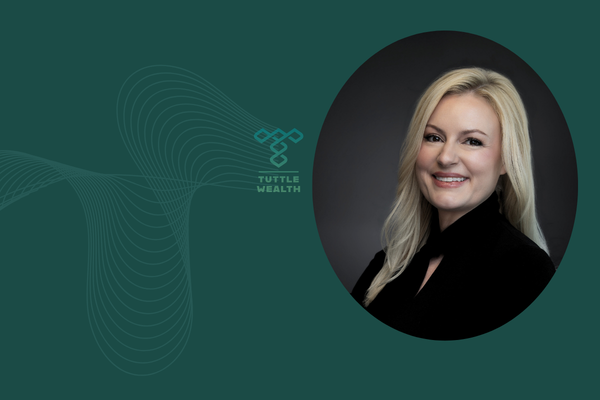
Frances Newton: NYSE [07/22/2026] | AI Investing, Energy & Market Outlook
Frances Newton appeared on NYSE Live on July 22, 2026, to discuss the key forces driving financial markets, including Treasury yields, AI investment, energy prices, and Federal Reserve policy. She explained why investors were focusing more on interest rates and corporate earnings than geopolitical headlines, while examining how AI capital expenditures, debt financing, and technology earnings could influence the next phase of the market.
The conversation also explored the outlook for the U.S. dollar, oil prices, inflation, Bitcoin, and the growing relationship between AI infrastructure and energy demand. Frances shared why she believes investors should monitor the intersection of monetary policy, AI investment, and energy markets as these themes continue to shape the broader economic landscape.
Key Questions from This Segment
Why are Treasury yields important for the stock market?
Treasury yields influence borrowing costs, stock valuations, and investor sentiment. The 10-year Treasury yield, in particular, serves as a benchmark that helps set mortgage rates and corporate borrowing costs, and it's also used to discount future company profits back to today's dollars. Rising yields can pressure growth stocks, since a higher discount rate lowers the value of those future profits today, while stable or declining yields often support equity markets.
Source: CNBC – US 10-Year Treasury: Latest Rates, News, and Analysis
Why is AI capital spending a major focus for investors?
Companies continue investing heavily in AI infrastructure, including data centers, chips, and cloud computing. The largest tech companies are projected to spend nearly $700 billion combined in 2026 alone, a jump of more than 60% from 2025 levels. Investors closely monitor whether these investments generate sustainable revenue growth and returns, since data centers require enormous upfront capital and the payoff typically arrives over several years rather than immediately.
Source: CNBC – Tech AI spending approaches $700 billion in 2026, cash taking big hit
How are AI and energy markets connected?
AI data centers require significant electricity, increasing demand for reliable energy sources. As AI adoption expands, many analysts expect growing investment in power generation and energy infrastructure, since data centers need consistent, around-the-clock power that can strain local electric grids, some of which were built decades ago and are already nearing the end of their useful life.
Source: CNBC – AI infrastructure boom lifts industrials, utilities, and power stocks
How do oil prices affect inflation and Federal Reserve policy?
Higher oil prices can contribute to inflation by increasing transportation and production costs, since the transportation sector is the largest consumer of petroleum in the U.S., using it mainly as gasoline, diesel, and jet fuel. The Federal Reserve considers these effects when evaluating interest rate policy, while also distinguishing temporary supply shocks, like a short-term spike from a geopolitical event, from broader inflation trends that reflect sustained price pressure across the economy.
Source: U.S. Energy Information Administration – Use of energy for transportation
Why are investors watching Bitcoin differently than in previous years?
Bitcoin has become less closely correlated with the broader stock market at times, leading investors to reassess its role as a portfolio diversifier and its long-term investment characteristics. Correlation measures how closely two assets move together; a reading near 1 means they move almost in lockstep, while a reading near 0 or negative means they move independently or in opposite directions. Analysts have pointed to shifting swings between high and low correlation with indexes like the Nasdaq and S&P 500 as a sign that Bitcoin's price is increasingly driven by factors specific to crypto markets rather than broader stock sentiment.
Source: CNBC – Bitcoin cracks $60,000, sinking to lowest level since October 2024
More Market Insights
![Frances Newton: Schwab Network [07/22/2026] | AI Bottlenecks, Infrastructure & Market Risk](https://tuttlewealth.com/wp-content/uploads/2026/07/Screenshot-2026-07-23-120624-300x170.png)
Frances Newton: Schwab Network [07/22/2026] | AI Bottlenecks, Infrastructure & Market Risk
Frances Newton appeared on Schwab Network on July 22, 2026, to discuss the evolving artificial intelligence investment landscape and why investors should focus on where the next AI bottlenecks are emerging. She explained that increased competition among AI models does not weaken the long-term investment opportunity but instead expands AI adoption, creating new opportunities across computing, cloud services, and infrastructure.
The conversation explored how AI bottlenecks are shifting beyond semiconductors toward power generation, water, data centers, and other critical infrastructure required to support long-term AI growth. Frances also discussed why infrastructure assets may provide more durable investment opportunities than rapidly changing technology leaders.
She concluded by examining Treasury yields, Federal Reserve policy, inflation, and energy prices, explaining how higher borrowing costs and geopolitical risks could influence both AI-related investments and the broader market outlook.
![Frances Newton: NYSE [07/22/2026] | AI Investing, Energy & Market Outlook](https://tuttlewealth.com/wp-content/uploads/2026/07/FN-NYSE-07.22.2026-300x131.png)
Frances Newton: NYSE [07/22/2026] | AI Investing, Energy & Market Outlook
Frances Newton appeared on NYSE Live on July 22, 2026, to discuss the key forces driving financial markets, including Treasury yields, AI investment, energy prices, and Federal Reserve policy. She explained why investors were focusing more on interest rates and corporate earnings than geopolitical headlines, while examining how AI capital expenditures, debt financing, and technology earnings could influence the next phase of the market.
The conversation also explored the outlook for the U.S. dollar, oil prices, inflation, Bitcoin, and the growing relationship between AI infrastructure and energy demand. Frances shared why she believes investors should monitor the intersection of monetary policy, AI investment, and energy markets as these themes continue to shape the broader economic landscape.
![Frances Newton: Fox Business [07/22/2026] | AI Competition, Infrastructure & Market Risk](https://tuttlewealth.com/wp-content/uploads/2026/07/FN-Fox-News-300x132.png)
Frances Newton: Fox Business [07/22/2026] | AI Competition, Infrastructure & Market Risk
Frances Newton appeared on Fox Business on July 22, 2026, to discuss how growing global competition could reshape the artificial intelligence investment landscape. She explained that new AI models and lower-cost competitors may challenge the dominance of U.S. technology companies without eliminating the broader AI trade. Instead, greater competition could reduce costs, expand adoption, and create opportunities for companies supporting AI inference, cloud computing, and infrastructure.
The conversation also explored shifting AI bottlenecks, including memory, electricity, water, data centers, and other essential infrastructure. Frances discussed why investors may need to remain tactical when evaluating rapidly changing technology and semiconductor trades while taking a longer-term view of the physical assets required to support AI growth.
She also addressed Treasury yields, Federal Reserve policy, oil prices, and the possibility of renewed inflation, highlighting how interest rates and broader market conditions could affect technology valuations and investment strategy.
![Frances Newton: Newsmax [07/20/2026] | Canadian Wildfires & Their Economic Impact](https://tuttlewealth.com/wp-content/uploads/2026/07/FN-Newsmax-7.202.2026-300x125.png)
Frances Newton: Newsmax [07/20/2026] | Canadian Wildfires & Their Economic Impact
Frances Newton appeared on Newsmax on July 20, 2026, to discuss the economic and public health impact of Canadian wildfire smoke affecting the northeastern United States. She examined how recurring wildfire events disrupt businesses, travel, and local economies while highlighting the significant financial costs associated with environmental disasters.
The conversation also explored the importance of wildfire prevention and forest management, the economic consequences of prolonged disruptions to air quality, and how public policy and government accountability can influence both environmental outcomes and economic resilience.
![Frances Newton: Newsmax [07/20/2026- Noon] | The World Cup’s Economic Impact](https://tuttlewealth.com/wp-content/uploads/2026/07/FN-NewsMax-07.20.2026-Noon-300x129.png)
Frances Newton: Newsmax [07/20/2026- Noon] | The World Cup’s Economic Impact
Frances Newton appeared on Newsmax on July 20, 2026, to discuss the economic impact of hosting major international sporting events and whether the benefits reach local businesses and taxpayers. Using the World Cup final in New Jersey as an example, she explained that hotels and other travel-related businesses may benefit, while restaurants, retailers, and surrounding communities may miss out if visitor spending remains concentrated inside the stadium.
The conversation also examined the importance of coordinating transportation, local commerce, public safety, and event planning to create broader economic benefits. Frances discussed the relationship among major sporting events, tourism, government spending, and international trade, while emphasizing the power of sports to bring people together despite political divisions.
![Frances Newton: CGTN AMERICA [07/17/2026]](https://tuttlewealth.com/wp-content/uploads/2026/07/CGTN-AMERICA-07.17.2026-300x115.png)
Frances Newton: CGTN AMERICA [07/17/2026]
Frances Newton appeared on CGTN America on July 17, 2026, to discuss investor sentiment surrounding Elon Musk, Tesla, and SpaceX following the launch of exchange-traded funds designed to avoid Musk-related companies. She examined the relationship between public perception and long-term investment performance, arguing that company fundamentals, innovation, and financial strength ultimately matter more than political or cultural narratives.
The conversation also explored SpaceX’s post-IPO performance, the outlook for Tesla, the potential for a future merger between the two companies, and how geopolitical risks, AI valuations, and market volatility are influencing investor behavior. Frances explained why she believes innovation, competitive positioning, and strong corporate culture remain the primary drivers of long-term value despite short-term market and political headwinds.
![Frances Newton: NewsNation [07/15/2026] | Inflation, Interest Rates & the Economy](https://tuttlewealth.com/wp-content/uploads/2026/07/FN-NewsNation-07.15.2026-300x98.png)
Frances Newton: NewsNation [07/15/2026] | Inflation, Interest Rates & the Economy
Frances Newton appeared on NewsNation on July 15, 2026, to discuss the latest inflation report, Federal Reserve policy, and what rising prices mean for consumers and the broader economy. She explained how oil price volatility, geopolitical tensions in the Middle East, and Treasury yields continue to influence inflation, while highlighting the difference between short-term market events and underlying economic trends.
The conversation also examined the Federal Reserve’s approach to interest rates, the impact of inflation on mortgages, credit cards, and household budgets, and why policymakers must balance slowing inflation with the cost of borrowing. Frances provided insight into how these economic forces affect both financial markets and everyday Americans.
![Frances Newton: Real American Voices [06/17/2026]](https://tuttlewealth.com/wp-content/uploads/2026/06/Screenshot-2026-06-18-080250-300x130.png)
Frances Newton: Real American Voices [06/17/2026]
Frances Newton appeared on Real American Voices on June 17, 2026, to discuss the Federal Reserve’s upcoming interest rate decision and the leadership transition to Fed Chair Kevin Warsh. She examined the relationship between inflation, energy prices, and monetary policy, explaining how supply-driven inflation tied to Middle East tensions and disruptions in the Strait of Hormuz differs from inflation that can be addressed through interest rate changes. Frances also discussed Federal Reserve decision-making, bond market reactions, and the challenges policymakers face in balancing inflation, economic growth, and the cost of servicing federal debt.
![Frances Newton: Newsmax [05/21/2026]](https://tuttlewealth.com/wp-content/uploads/2026/05/Frances-Newton-Newsmax-05.21.2026-300x128.png)
Frances Newton: Newsmax [05/21/2026]
Frances Newton returned to Newsmax on May 21, 2026, to discuss wealth creation, economic mobility, and the broader structural forces shaping inequality in the United States. She explored the limits of taxation as a solution to the wealth gap, the role of consumer liquidity and innovation, and how technology investment, AI-driven growth, and trade policy fit into the administration’s longer-term economic strategy.
![Frances Newton: Newsmax [05/14/2026] 9pm](https://tuttlewealth.com/wp-content/uploads/2026/05/Frances-Newton-Newsmax-0514.2026-9pm-300x98.png)
Frances Newton: Newsmax [05/14/2026] 9pm
Frances Newton joined Newsmax on May 14, 2026, to discuss Federal Reserve policy, inflation, interest rates, and the economic implications of rising debt costs and energy-driven supply shocks. She explained how monetary policy lags, consumer credit pressures, bond market movements, and Federal debt servicing costs are influencing the broader economic landscape and the debate surrounding future rate decisions.
![Frances Newton: Newsmax [05/14/2026]](https://tuttlewealth.com/wp-content/uploads/2026/05/Frances-Newton-Newsmax-05.14.2026-1-300x142.png)
Frances Newton: Newsmax [05/14/2026]
Frances Newton appeared on Newsmax on May 14, 2026, to discuss the evolving economic relationship between the United States and China, including trade leverage, global GDP competition, cybersecurity concerns, and the role of energy markets in geopolitical strategy. She explained how consumer demand, debt levels, interest rates, and global trade flows are shaping the broader economic competition between the two countries.
![Frances Newton: Newsmax [04/11/2026]](https://tuttlewealth.com/wp-content/uploads/2026/04/Frances-Newton-Newsmax-04.11.2026-300x121.png)
Frances Newton: Newsmax [04/11/2026]
Frances Newton joined Newsmax on April 11, 2026, to discuss the market impact of ongoing Middle East tensions, inflation pressures, and energy prices. Frances explained how disruptions in the Strait of Hormuz could significantly raise oil prices and inflation, while also outlining the broader economic and geopolitical balancing act facing the U.S. ahead of key trade negotiations and the midterm election cycle.
The posted video is a media appearance by Frances Newton on a third-party television program. The views and opinions expressed are those of the speaker as of the date of the broadcast and are subject to change without notice.
This segment is being reposted for informational purposes only. The content was prepared for a general audience and should not be considered investment, tax, or legal advice, a recommendation to buy or sell any security, or a solicitation to engage in any investment strategy. The statements made during this broadcast reflect general market commentary and do not take into account the specific investment objectives, financial situation, or needs of any individual investor.
Any references to specific securities, sectors, or investment strategies are provided solely for illustrative or informational purposes and do not constitute recommendations. Past performance or historical market discussions referenced in the broadcast are not indicative of future results.
The media outlet, program host, and network are not affiliated with or endorsing Tuttle Wealth Partners or its advisory services. The Firm has no control over the content or editing of the original broadcast.
By clicking on certain links, you may leave our website. The external links you access may lead to content hosted on another server, which we have not independently verified. These links are provided solely for your interest and convenience.

Join Frances Newton's Email List
Frances is a nationally recognized economic strategist, market analyst, financial advisor, educator, and frequent contributor across national financial media, including Fox Business, Bloomberg, Yahoo Finance, CBS, and Schwab Network. Subscribe to receive commentary on monetary policy, market trends, economic cycles, and the forces shaping today’s global economy.